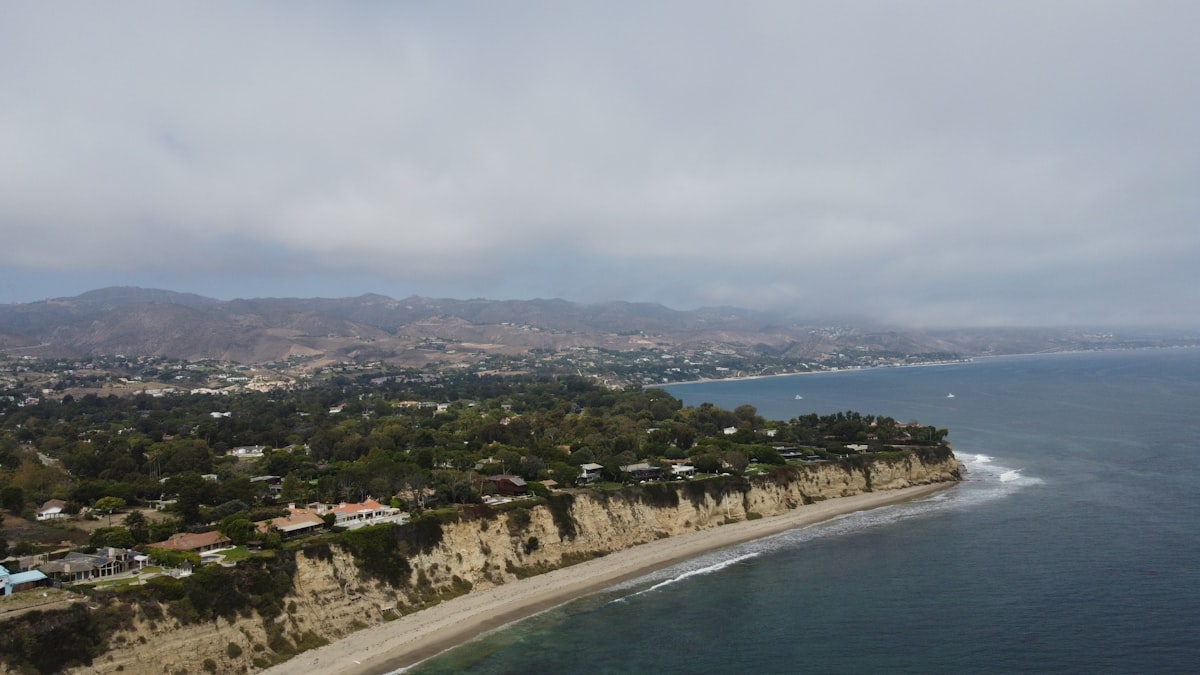
In 2002, photographer Kenneth Adelman began an aerial survey of the California coastline as part of a public project to document coastal erosion. He photographed roughly 840 miles of California coastline across some 12,000 images and posted them online for free public use. Among the 12,000 images was an aerial shot of a cliff-side estate in Malibu. At the time of the lawsuit, that specific image had been downloaded from the website exactly six times. Two of those downloads were by the lawyers Streisand hired to bring the case.
In 2003, Streisand filed a $50 million lawsuit against Adelman, arguing that the image violated her privacy. The suit generated widespread news coverage. Journalists and curious members of the public, made aware for the first time that a photo of Streisand’s home existed, sought it out. In the month following the lawsuit filing, the image was downloaded 420,000 times. The lawsuit was dismissed. The photo remains freely available.
The dynamic Streisand inadvertently demonstrated had existed before the internet but spreads much faster through it: attempts to suppress information often amplify it. The harder someone pushes against a piece of content, the more visible the suppression attempt becomes, which is itself news and drives people to find the content. Researchers and internet culture writers named this phenomenon the Streisand Effect in 2005. It has since been documented in hundreds of cases involving governments, corporations, and individuals who would have been better served by saying nothing at all.