By 1941, doctors knew penicillin worked. They just could not make enough of it. Alexander Fleming’s original mold, the one that drifted onto a forgotten Petri dish in his London lab in 1928, produced the drug in trace amounts. Treating a single patient could exhaust an entire lab’s supply. With the war on, the United States needed penicillin by the kilogram, not the milligram.
The job of finding a better mold fell to the Northern Regional Research Laboratory in Peoria, Illinois. The lab put out a call for moldy samples from anywhere. Soldiers shipped soil from foreign bases. Pilots collected dust from cargo holds. Lab staff bought rotting produce from local markets and brought it back to test.
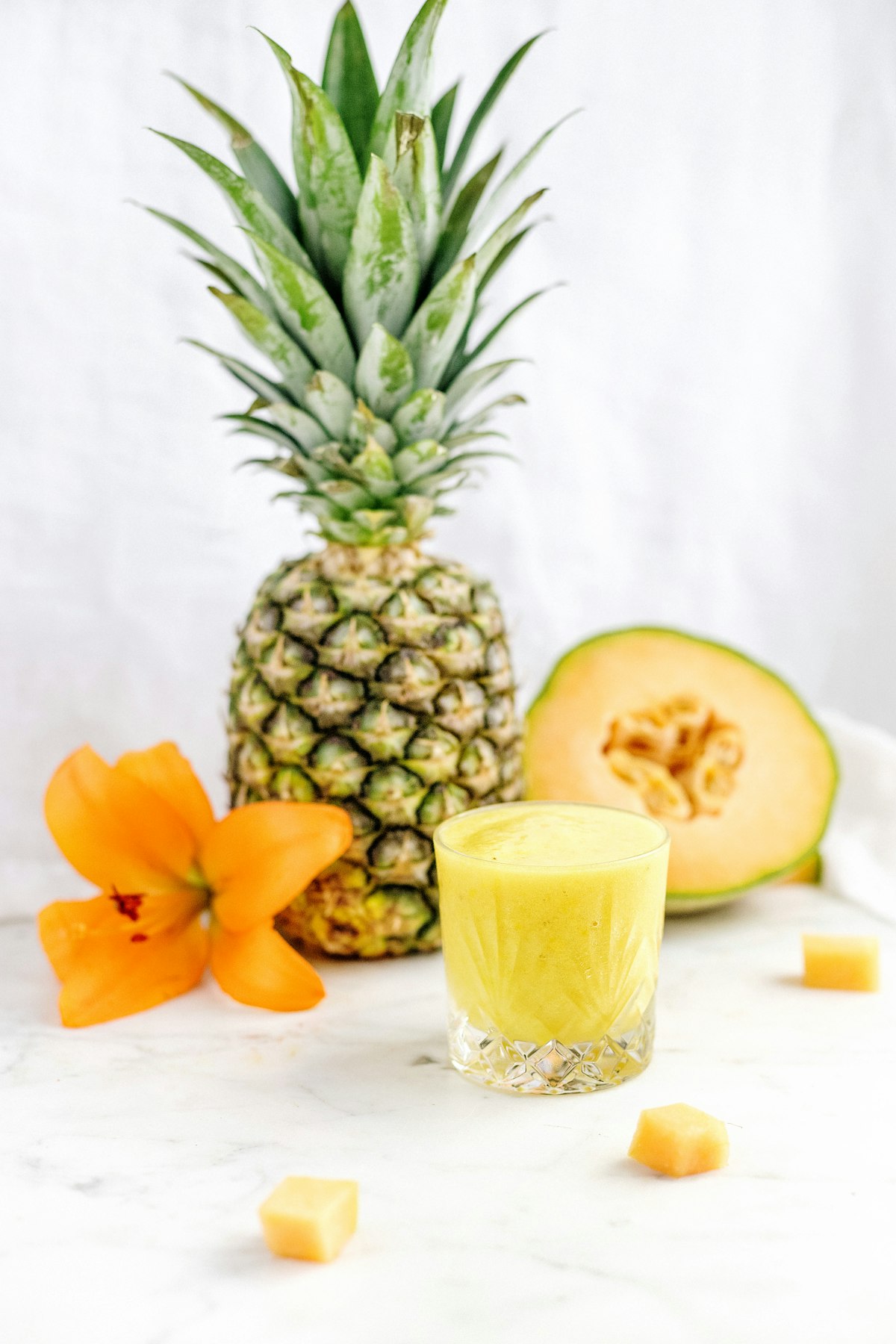
One of those samples, collected in the summer of 1943, was a cantaloupe with a bluish-green crust on its rind. The strain growing on it, later catalogued as NRRL 1951, produced about 200 times more penicillin than Fleming’s original. After a round of mutation with x-rays and ultraviolet light, descendants of that strain pushed output a thousand times higher.
The lab assistant most associated with the find was Mary Hunt, nicknamed “Moldy Mary” by her colleagues for her habit of returning from market trips with bags of rotting fruit. Almost every commercial penicillin made in the eighty-plus years since traces back to her cantaloupe. In 2021, Illinois made NRRL 1951 its official state microbe.
Learn more: “The Enduring Mystery of Moldy Mary,” USDA Agricultural Research Service, Tellus. https://tellus.ars.usda.gov/stories/articles/enduring-mystery-moldy-mary