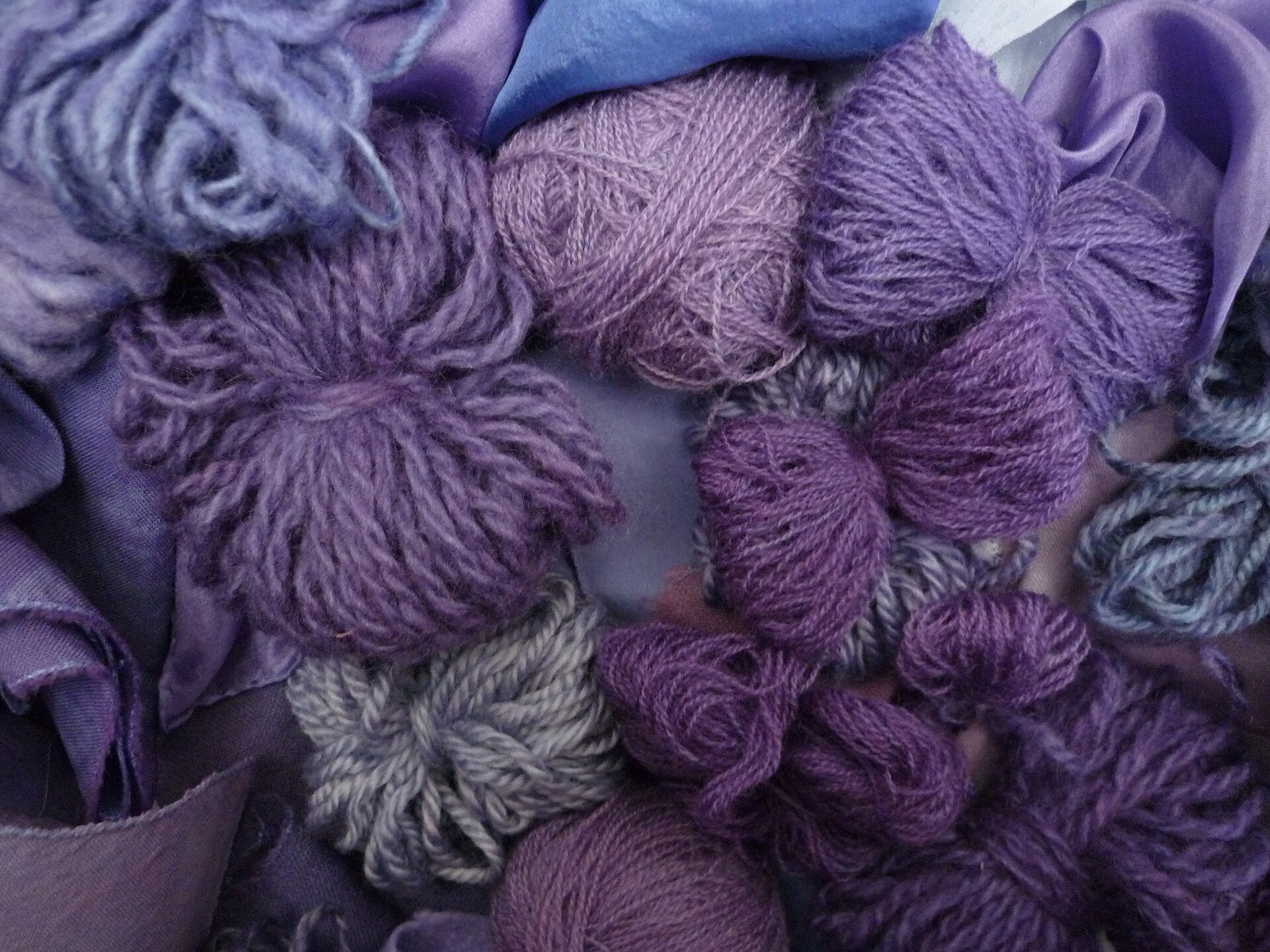
In April 1856, an 18-year-old chemistry student named William Henry Perkin spent his Easter holidays in a makeshift lab in the top floor of his father’s house in London, trying to make malaria medicine out of coal tar. He failed badly. The reaction left him with a flask full of black sludge. When he reached for alcohol to clean it out, the sludge dissolved into a brilliant, slightly purplish liquid that stained everything it touched. Within a decade, that stain would make him rich, kick off the synthetic dye industry, and lay the groundwork for what is now the global pharmaceutical business.
Perkin had been studying under August Wilhelm von Hofmann at the Royal College of Chemistry. Hofmann had idly speculated that quinine, the natural antimalarial then harvested from cinchona bark in South America, might be synthesizable from aniline, a compound easily extracted from coal tar (a waste product of the gas lighting industry, which was running short of places to dump it). Perkin took the idea home and tried it.
He had the chemistry wrong in nearly every way. Quinine and aniline are very different molecules, and the tools to know that did not yet exist. What he did instead was oxidize aniline with potassium dichromate, which is now a textbook way to produce the compound he stumbled onto: mauveine.
Purple, before Perkin, was hard. The original Tyrian purple, used by Roman emperors and Byzantine icons, came from the mucus of murex sea snails. It took about 10,000 snails to dye a single robe, and the smell of the workshops was legendary. By the 1850s the trade had largely collapsed, and purple cloth was once again a luxury that only royalty bothered with.
Perkin recognized the dye potential immediately. He sent a sample to a Scottish dyeworks, got an enthusiastic reply, and applied for a patent in August 1856, four months past his 18th birthday. His father bankrolled a factory. Empress Eugénie of France wore mauve. Queen Victoria wore mauve to her daughter’s wedding in 1858. The color exploded across fashionable Europe, and the period was later nicknamed “the mauve decade.”
The deeper consequence was the industry that grew up around the discovery. Coal tar, until then a nuisance, turned out to contain the molecular scaffolds for hundreds of dyes, and then for explosives, then for saccharin, then for aspirin, then for the sulfa drugs, then for most of twentieth-century medicinal chemistry. The German firms that came to dominate dye-making in the late 1800s, BASF, Bayer, Hoechst, are still around, just no longer mainly known for dyes. Perkin himself retired from manufacturing at 36, wealthy enough to spend the rest of his life doing pure research.
He never did synthesize quinine. That took until 1944.
Learn more: Garfield, Simon, “Mauve: How One Man Invented a Color That Changed the World” (W. W. Norton, 2001). Royal Society of Chemistry profile of Perkin: https://www.rsc.org/diversity/175-faces/all-faces/sir-william-henry-perkin-frs/