In 2013, a marine ecologist named Andrew Sweetman lowered measuring equipment to the floor of the Clarion-Clipperton Zone, a swath of abyssal Pacific between Hawaii and Mexico. He expected oxygen levels inside the sealed sample chambers to fall over time as bacteria consumed it. Instead, the readings climbed. He assumed his sensors were broken. He recalibrated them, tested them in a lab, ran the experiment again. The oxygen levels kept rising.
Sweetman sat on the result for nearly a decade. The textbook position is that every molecule of free oxygen on Earth traces back to photosynthesis, which needs sunlight, which does not reach four kilometers down. His team finally published in July 2024.
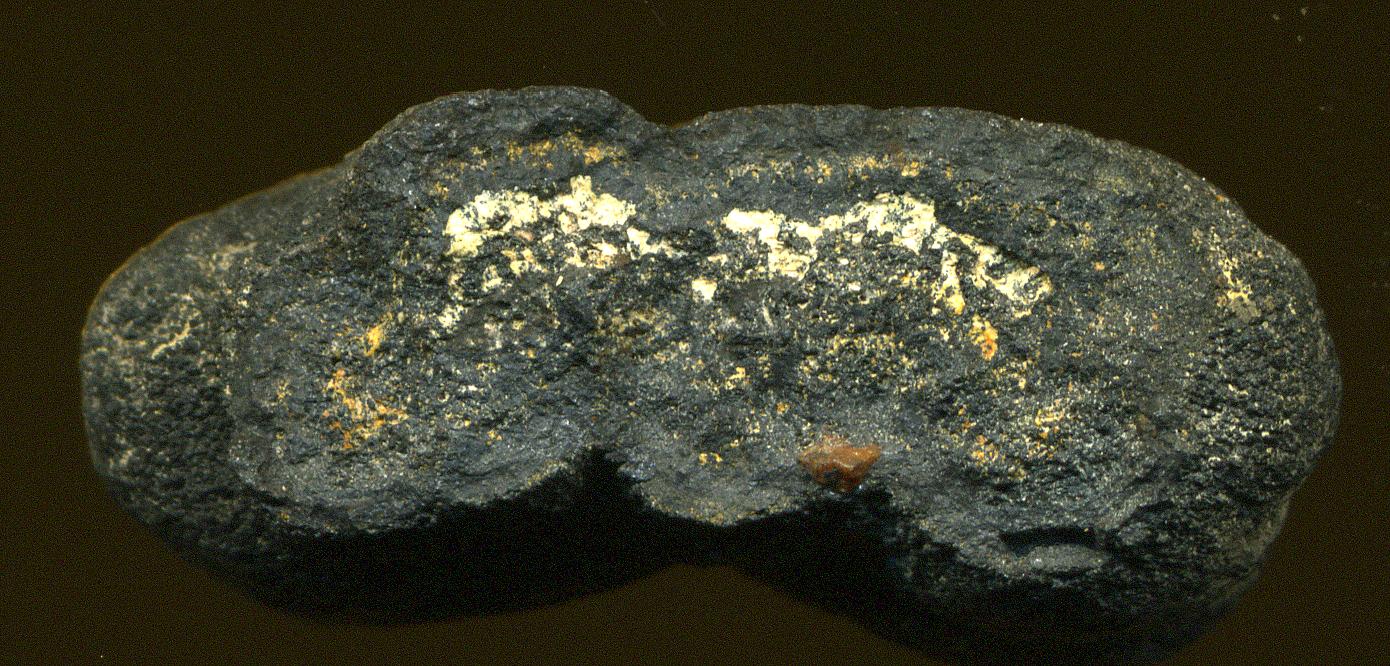
The leading explanation involves the small black lumps that carpet parts of the deep seafloor, called polymetallic nodules. They are crusts of manganese, iron, nickel and cobalt that grow at a few millimeters per million years. The researchers measured electrical potentials of nearly one volt on individual nodules, close to the 1.5 volts needed to split water through electrolysis. In other words, the seabed appears to be hosting natural batteries quietly cracking seawater apart in the dark.
The finding matters for two reasons. It nudges open the question of whether life could begin in places without sunlight, including the buried oceans of Europa and Enceladus. And the nodules in question are exactly what deep-sea mining companies are now preparing to scrape up by the ton.
Learn more: Sweetman, A.K., et al., “Evidence of dark oxygen production at the abyssal seafloor,” Nature Geoscience, vol. 17, 2024, pp. 737-739. https://www.nature.com/articles/s41561-024-01480-8